Why CSR Teams Fund Mobile Medical Unit Vans | The Phoenix Foundation
Discover why CSR teams across India are funding Mobile Medical Unit (MMU) vans, and how The Phoenix Foundation structures MMU partnerships for measurable healthcare impact.
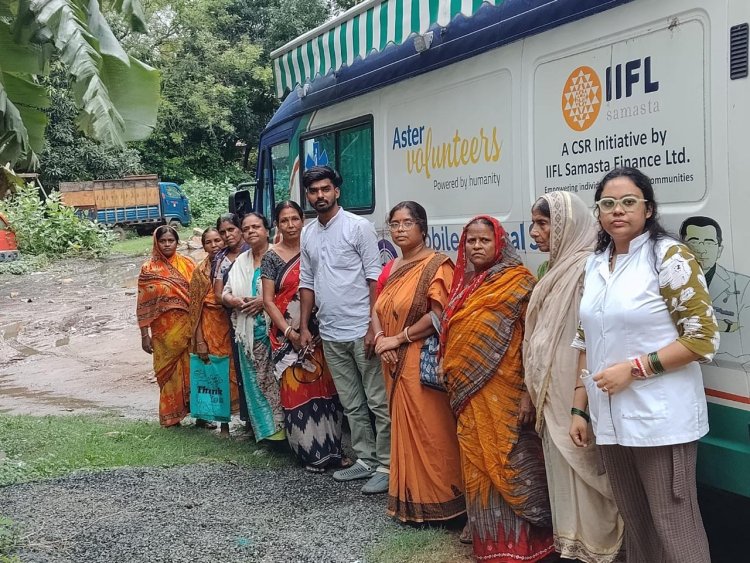
Why CSR Teams Are Funding Mobile Medical Unit Vans Across India
Every CSR team eventually asks the same question about a proposed healthcare project: how do we know this money actually reaches people, and how do we prove it? Of all the healthcare interventions available under CSR, the Mobile Medical Unit (MMU) model has become one of the most funded — precisely because it answers that question better than almost anything else.
Donate Now
The CSR Case for MMU Projects
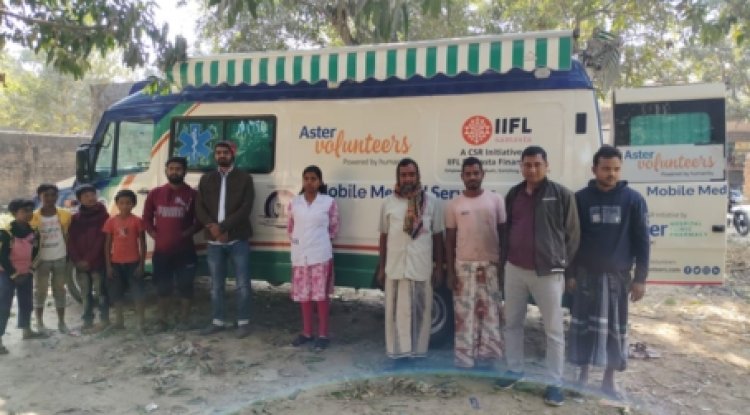
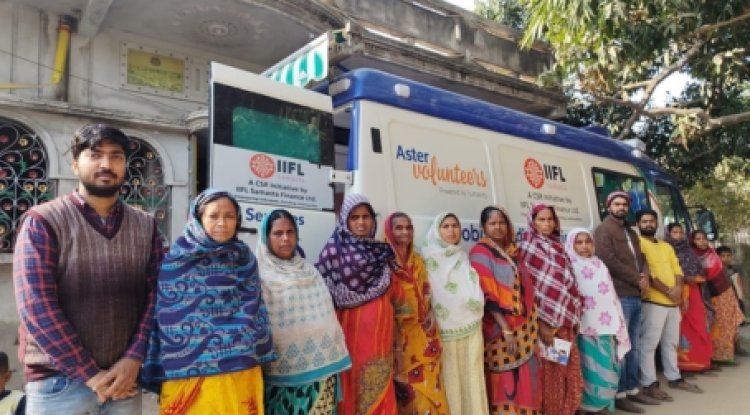
An MMU van is, by design, a single, well-bounded unit of intervention: one vehicle, one trained team, one route, one budget. That structure makes it unusually easy to plan, monitor, and report on — three things every CSR team needs to justify a healthcare allocation internally.
-
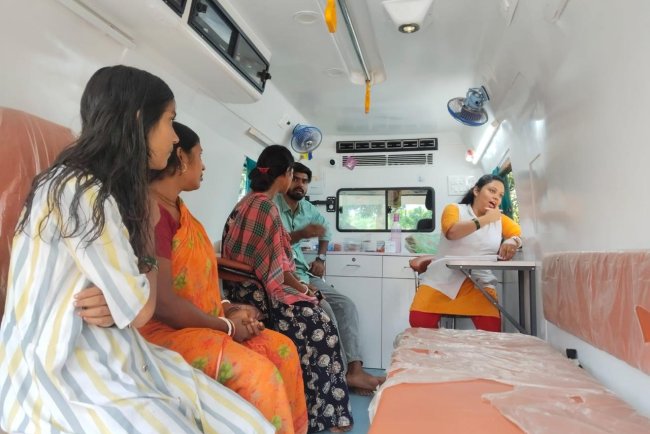
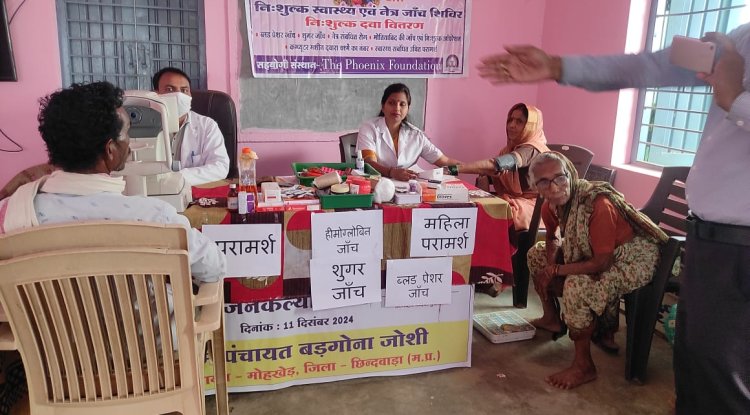
Direct impact — every consultation, medicine dispensed, and lab test is tied to a specific date, village, and patient record
-
Scalability — impact grows in a predictable, linear way: fund a second van, cover a second route
-
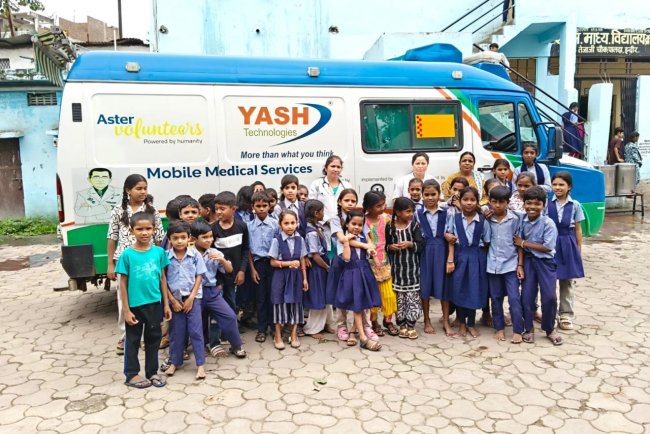
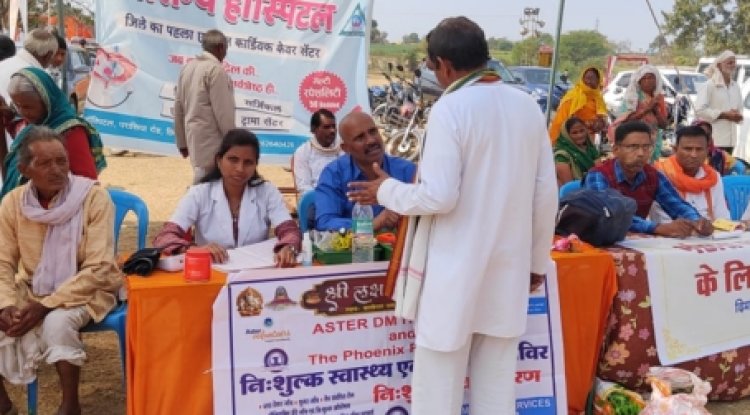
Visibility — CSR teams can visit an active camp and see the intervention happening in real time, unlike programmes with more abstract, delayed outcomes
-
Alignment with national priorities — MMU projects support India's broader push toward universal primary healthcare access, particularly in tribal and rural districts
What a CSR Partnership With The Phoenix Foundation Looks Like
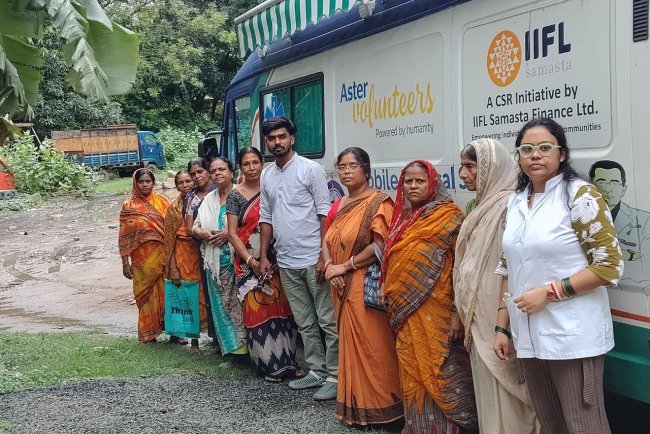
When a company partners with us on an MMU project, we structure the engagement around clear, reportable outputs: number of patients seen, medicines dispensed, lab tests conducted, NCD screenings performed, and referrals made. We provide digital records that make quarterly and annual CSR reporting straightforward, and we're happy to co-brand routes or specific districts with a partner where relevant.
Because we're registered under the Societies Registration Act, 1860, and hold 80G, 12A, and CSR-1 certification, funding routed to us through CSR budgets is fully compliant with Indian regulatory requirements.
Beyond a Single Camp: Sustained Coverage
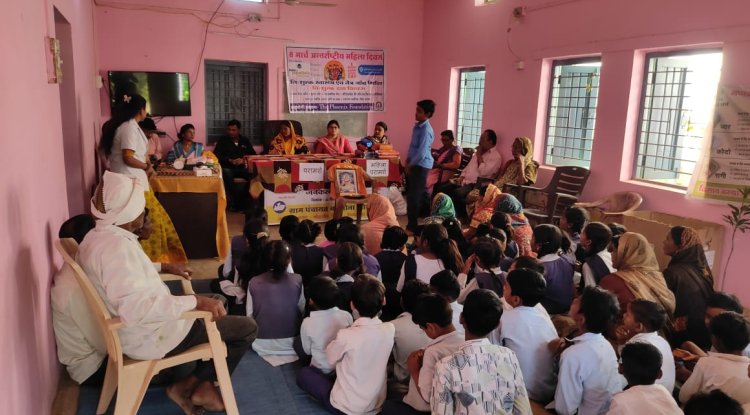
Unlike a one-time medical camp, an MMU project gives a CSR partner sustained, recurring presence in a community. This matters both for genuine health outcomes — chronic conditions need repeat monitoring, not a single check-up — and for a company's own long-term CSR narrative, which increasingly favours programmes with demonstrated continuity over isolated events.
Where CSR-Funded MMU Vans Currently Run
The Phoenix Foundation currently operates MMU routes across West Bengal, Jharkhand, Rajasthan, and Madhya Pradesh, and is actively seeking CSR partners to expand coverage into additional districts and states.
Frequently Asked Questions
Why do CSR teams prefer MMU projects over other healthcare interventions? Because outcomes are directly trackable, the model scales predictably, and impact is visible in real time.
Is funding to The Phoenix Foundation CSR-compliant? Yes — we are registered under the Societies Registration Act, 1860, and hold 80G, 12A, and CSR-1 certification.
Can a company sponsor a specific district or route? Yes, we work with CSR partners to design routes and coverage areas aligned with their focus regions.
What reporting does The Phoenix Foundation provide to CSR partners? Digital records covering patients seen, medicines dispensed, lab tests conducted, and referrals made, suitable for quarterly and annual CSR reporting.
Explore a CSR Partnership
To discuss funding an MMU route, co-branding a health camp, or structuring a multi-year CSR healthcare partnership, contact The Phoenix Foundation at +91 90285 49740 or info@thephoenixfound.org, or visit thephoenixfound.org.
What's Your Reaction?