Digital Literacy and Digital Classrooms: Bringing Technology to Rural Learners
Why digital literacy matters for jobs and learning, and how digital classrooms and basic computer training open doors for rural children and youth.
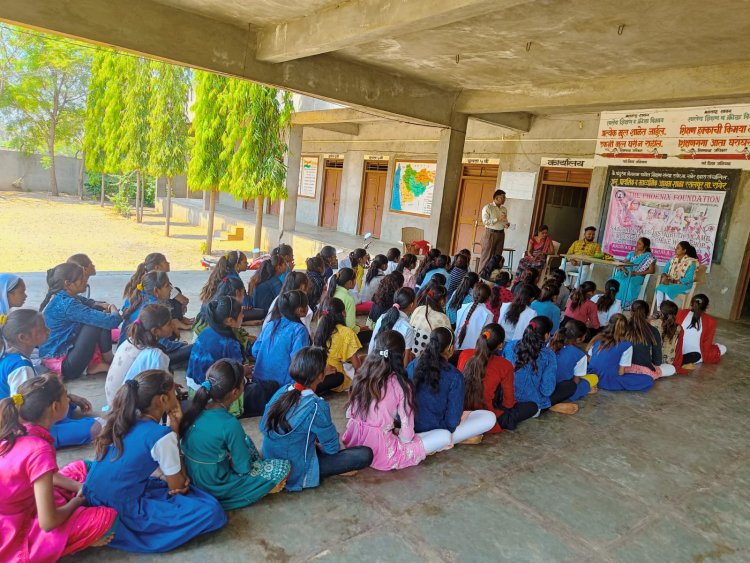
Banking, forms, job applications, admissions and even government schemes now move online. People who cannot use a computer or smartphone confidently risk being left behind, especially in rural and low-income communities.
What is digital literacy?
It is the ability to use digital devices and the internet safely and effectively: typing, browsing, email, online forms, digital payments and basic security.
Why it matters
-
Jobs: most employers expect basic computer skills
-
Learning: online lessons and resources reach children beyond the textbook
-
Services: easier access to government and banking services
-
Business: online selling and marketing for small entrepreneurs
What is a digital classroom?
It is a learning space that uses computers, tablets or projectors alongside a teacher. Videos, interactive lessons and practice tools make concepts easier to grasp, especially where qualified teachers are scarce.
How NGOs help
-
Set up learning spaces and provide access to devices
-
Teach computer basics to children, youth and women
-
Train learners in digital tools for jobs and small businesses
-
Teach online safety, including privacy and avoiding scams
The Phoenix Foundation's contribution
We offer digital literacy as part of our skill development and education programmes. One of our learners now works in a digital marketing job after joining our training.
Staying safe online
Use strong passwords, never share OTPs, and think before clicking unknown links.
Explore digital learning and skills at thephoenixfound.org.
What's Your Reaction?