NGOs Working for Women Empowerment: Skills, Health & Livelihoods
See how NGOs working for women empowerment run skill, health and livelihood programs, and how to find one that creates lasting change.
NGOs Working for Women Empowerment: Skills, Health and Livelihood Programs
A woman who earns her own income often changes the future of her whole family. Her children are more likely to stay in school, her household spends more on health, and her own confidence grows. That is why many NGOs concentrate on three connected areas: skills, health and livelihoods.
Donate Now
1. Skill programs
Skill training is usually the entry point. Common courses include:
-
Tailoring and garment making
-
Basic computer and digital skills
-
Handicrafts and home-based production
-
Food processing and catering
-
Small business management
-
Beauty and wellness
Good programs ask what the local market needs. Teaching tailoring in a town that already has hundreds of tailors, with no plan for selling, rarely works. The best courses include practice, certification and links to jobs or orders.
2. Health support
A woman cannot build a livelihood if she is constantly unwell. NGOs often include:
-
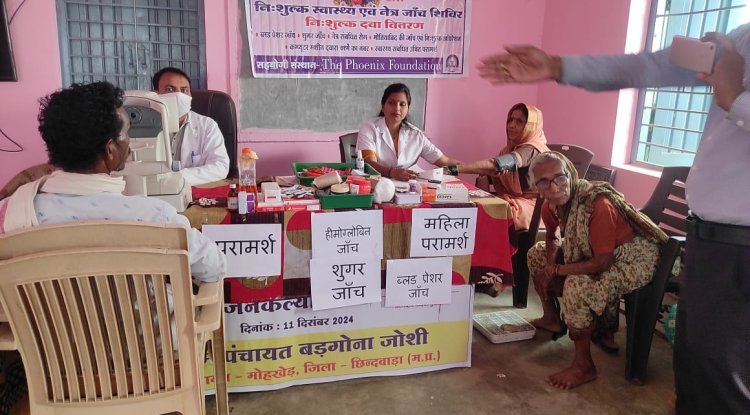
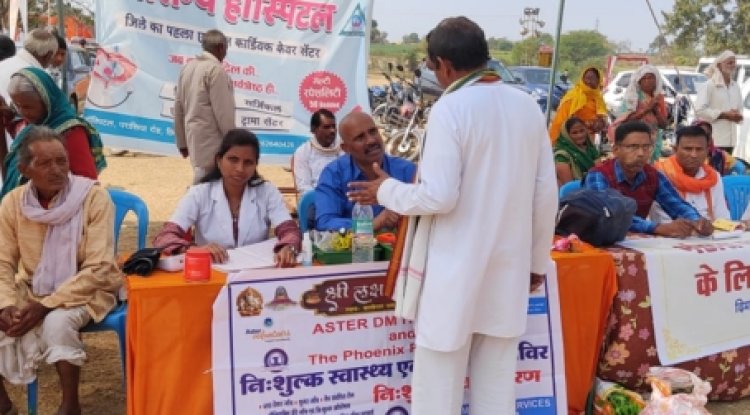
Free health check-ups and medical camps
-
Awareness on nutrition, maternal care and hygiene
-
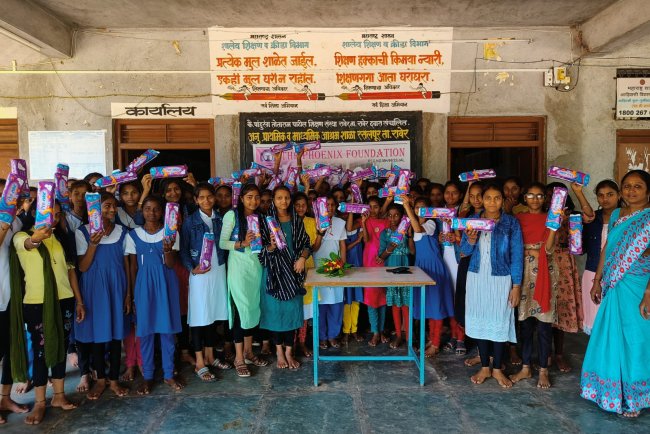
Menstrual hygiene education
-
Mental health awareness and counseling referral
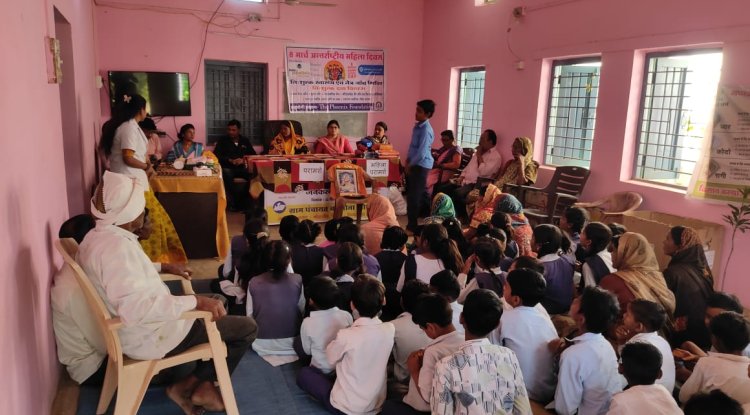
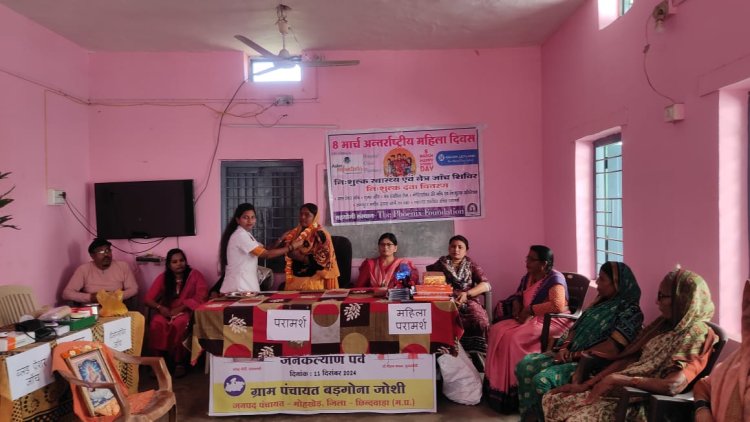
At The Phoenix Foundation, our women's health awareness programs cover hygiene, maternal care, family planning and nutrition, and sit alongside our free medical camps. See our healthcare NGO in India work.
3. Livelihood support
Training alone is not enough. Livelihood support may include:
-
Self-help groups for savings and small loans
-
Guidance on opening bank accounts and using government schemes
-
Basic business planning and pricing
-
Market linkages, such as local shops, exhibitions or online selling
Our Project NariShakti brings these pieces together: vocational courses for urban and rural women, small business development, digital literacy and financial independence training, and promotion of self-help groups.
What makes the programs work?
-
Flexible timings. Women juggle household work, so sessions that fit around it get better attendance.
-
Safe spaces. A comfortable, respectful environment makes a big difference.
-
Family involvement. When husbands and in-laws understand the program, women face less resistance.
-
Follow-up. Check-ins months after training reveal what is really working.
How to find a trustworthy NGO
Check registration (12A, 80G), read impact reports, look for real photos and testimonials, and ask how success is measured: income earned, jobs found, or businesses started.
Frequently asked questions
Which skills help women earn the fastest? It depends on the area, but tailoring, digital skills, food processing and small business skills are popular because there is steady demand.
Can women train online? Yes, for digital skills and some business topics, as long as they have a smartphone and data.
Does training guarantee a job? No. The best NGOs help with placement and mentoring, but results depend on the local market.
Donate Now
What's Your Reaction?