Domestic Violence in India: Know Your Legal Rights and Where to Get Help
Facing abuse at home? Learn your rights under India's domestic violence law, how to get a protection order, and where to find free legal help.

If you are being hurt, controlled or threatened at home, you are not alone, and it is not your fault. Domestic violence is not only about hitting. It can be shouting and humiliation, taking away your money, locking you in, or forcing you to leave your home. Indian law recognises all of this, and it offers real protection.
What the law says
The Protection of Women from Domestic Violence Act, 2005 (PWDVA) covers physical, emotional, sexual, verbal and economic abuse. It protects wives, live-in partners, mothers, sisters and daughters living in a shared household. You do not need to file a divorce case to use it.
What help can you get?
A court can grant you several kinds of relief:
-
Protection order: stops the abuser from contacting you or coming near you, your children or your workplace.
-
Residence order: you cannot be thrown out of your shared home, and the court can order the abuser to leave or arrange other housing.
-
Monetary relief: money for medical bills, lost earnings, property damage and daily expenses.
-
Custody order: temporary custody of your children.
-
Compensation: for mental torture and emotional distress.
Criminal law also applies. Cruelty by a husband or his relatives is a punishable offence (earlier Section 498A of the IPC, now Section 85 of the Bharatiya Nyaya Sanhita).
Step-by-step: what to do
-
Stay safe first. If you are in danger, call 112 (emergency) or the Women Helpline 181.
-
Reach out to someone you trust. A friend, relative, counsellor or support organisation can stand beside you.
-
Keep evidence. Save photos of injuries, medical reports, messages, call recordings and a simple diary with dates.
-
Contact a Protection Officer or a One Stop Centre. They help you file a Domestic Incident Report and can arrange shelter and medical aid.
-
Get a lawyer, free if needed. Every woman is entitled to free legal aid through the District Legal Services Authority (DLSA), regardless of income. NALSA's helpline is 15100.
-
Apply to the Magistrate. Your lawyer or Protection Officer can file for protection and residence orders. A first hearing is usually fixed within three days of filing.
Common questions
Do I have to leave my home? No. The law protects your right to live in the shared household.
Will my complaint stay confidential? You can ask that proceedings be handled with sensitivity, and support organisations keep your details private.
What if I have no money? Free legal aid, shelter and counselling are available.
How The Phoenix Foundation can help
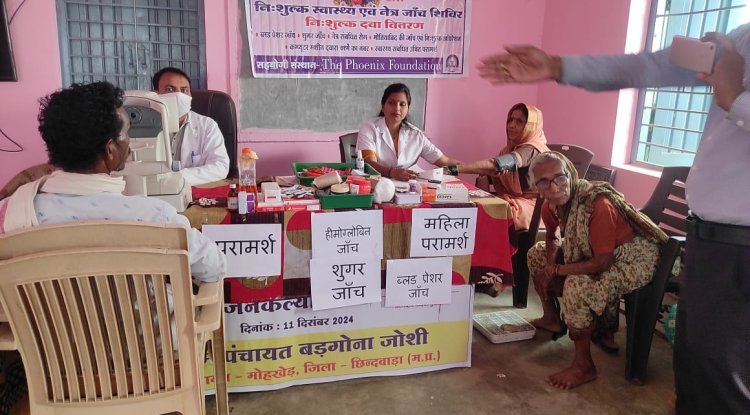
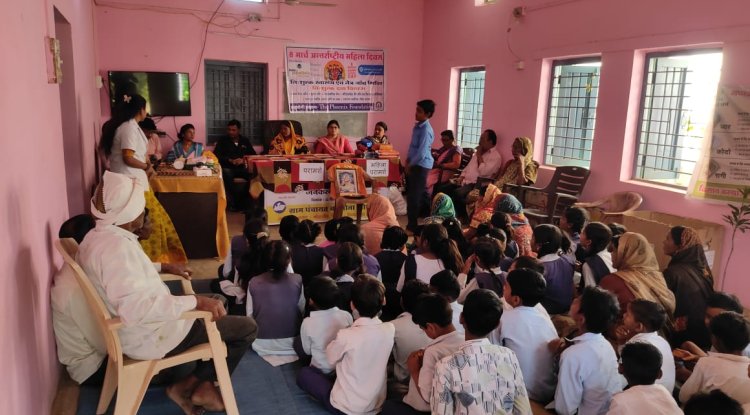
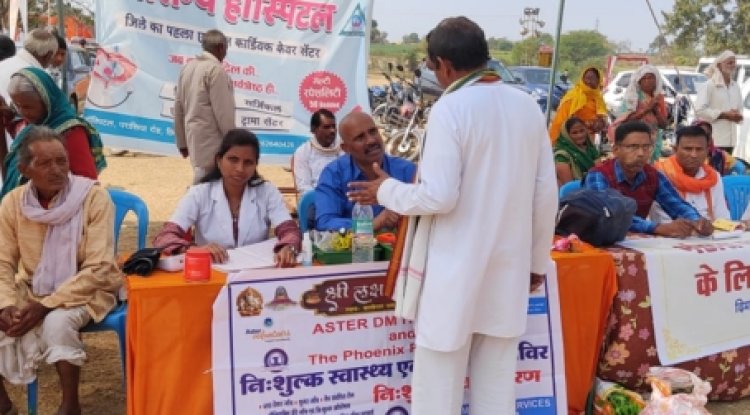
Through our Women Legal Support Programme, we offer free legal guidance and counselling, connect you with qualified lawyers, and refer you to Legal Services Authorities, protection services and shelters. We listen, we guide, and we follow up, in a confidential and judgment-free space.
Need to talk? Reach out to The Phoenix Foundation at thephoenixfound.org.
What's Your Reaction?