Cyber Harassment and Online Abuse: How Women Can Fight Back Legally
Facing online stalking, morphed photos or threats? Learn how to collect evidence, report cybercrime in India and get the content removed.
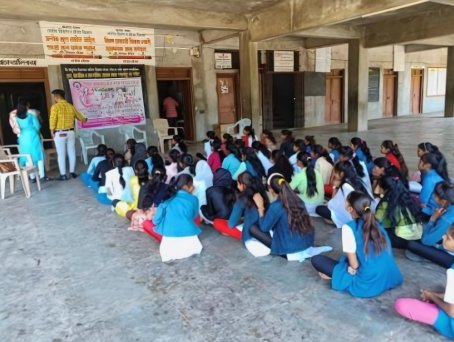
A stranger who keeps messaging you after you block him. A fake profile using your photo. An ex threatening to leak private pictures. Online abuse is real harm, and it often feels isolating. The good news: Indian law treats it as a crime, and there are clear steps you can take.
What counts as cyber harassment?
-
Online stalking, repeated unwanted messages or tracking
-
Sharing or threatening to share intimate images without consent
-
Morphed or deepfake photos and videos
-
Fake profiles and impersonation
-
Abusive, threatening or obscene comments and messages
-
Sextortion and blackmail
-
Doxxing (publishing your phone number or address)
Donate Now
What does the law say?
Several laws apply:
-
Information Technology Act, 2000: Section 66E (privacy violation), Sections 67 and 67A (publishing obscene or sexually explicit material), and Section 66C and 66D (identity theft and cheating by impersonation).
-
Bharatiya Nyaya Sanhita (BNS): provisions on stalking, voyeurism, insulting the modesty of a woman, criminal intimidation and extortion.
These offences can lead to imprisonment and fines.
What to do right away
-
Do not delete anything. Take screenshots showing the profile name, username, date, time and URL. Save emails, chats and call logs.
-
Do not respond or negotiate with a blackmailer. Pay nothing.
-
Block and report the account on the platform. Use its privacy and safety tools.
-
Lock down your accounts: change passwords, turn on two-factor login, review privacy settings.
-
Report it:
-
Online: cybercrime.gov.in, which also lets women report anonymously
-
Phone: 1930 (cyber financial fraud) or 112 (emergency)
-
In person: your nearest police station or cyber cell. You can ask for a woman officer.
-
Get images taken down. If intimate images have been shared, StopNCII.org helps stop them from spreading across major platforms. You can also request removal through the platform's reporting form.
-
Seek support. Talk to someone you trust, and consider counselling. Online abuse can affect your sleep, work and confidence.
Donate Now
Common questions
Is it my fault if my private photo was leaked?
No. The person who shares it without consent is the one committing the offence.
What if the police refuse to register my complaint?
Ask for a written acknowledgement, escalate to a senior officer, or approach a legal aid authority or a magistrate.
Can I file if I do not know who is harassing me?
Yes. Investigators can trace accounts and IP addresses.
Stay safe online
Use strong, unique passwords. Limit who can see your photos and contact details. Avoid sharing your live location. Be cautious with unknown links and video calls.
How The Phoenix Foundation can help
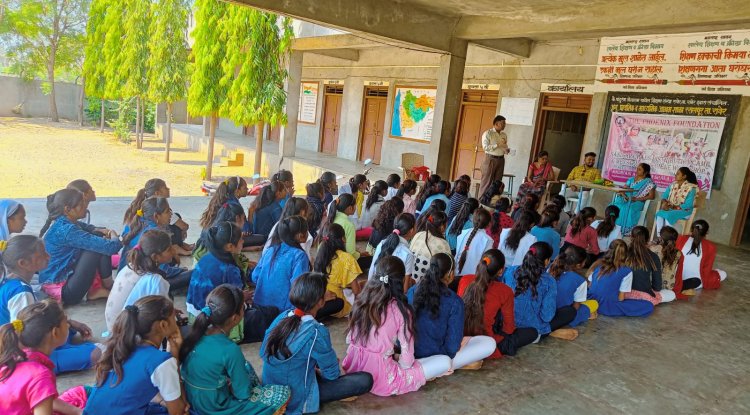
We offer awareness and support on cyber harassment, help you understand the reporting process, and refer you to legal professionals and protection services. You will be heard without judgment and with full confidentiality.
Need guidance? Connect with The Phoenix Foundation at thephoenixfound.org.
This blog gives general information and is not a substitute for advice from a qualified lawyer.
Donate Now
What's Your Reaction?