Harassed at Work? Your Complete Guide to POSH Act Rights
Know your rights under the POSH Act. Learn what counts as sexual harassment at work, how to file a complaint with the ICC, and what happens next.

A colleague's "jokes" that make you uncomfortable. A manager who keeps touching your shoulder. Messages after midnight that have nothing to do with work. Many women stay silent because they fear losing their job or being blamed. The law is on your side, and you do not have to put up with it.
What is the POSH Act?
The Sexual Harassment of Women at Workplace (Prevention, Prohibition and Redressal) Act, 2013, known as the POSH Act, protects every woman at work, whether she is permanent, temporary, a trainee, a volunteer, a domestic worker or a visitor. It applies to offices, factories, schools, hospitals, NGOs, and even work-related travel and online meetings.
Donate Now
What counts as sexual harassment?
-
Unwelcome touching or physical advances
-
Demands or requests for sexual favours
-
Sexually coloured remarks or jokes
-
Showing pornography
-
Any other unwelcome physical, verbal or non-verbal conduct of a sexual nature, including messages and calls
What matters is how the behaviour affects you, not what the other person says they intended.
Who will hear your complaint?
-
Internal Committee (ICC): every employer with 10 or more employees must set one up. It must be led by a senior woman and include an external member from an NGO or legal background.
-
Local Committee (LC): for workplaces with fewer than 10 employees, informal workplaces and domestic workers. It operates at district level.
How to file a complaint
-
Write down what happened: dates, places, witnesses, screenshots and emails.
-
Submit a written complaint to the ICC or LC, ideally within 3 months of the incident. The committee can extend this by another 3 months if there is a good reason. If you need help writing it, the committee must assist you.
-
Conciliation (only if you ask). You can choose to settle the matter, but money cannot be the basis of the settlement.
-
Inquiry. The committee must complete its inquiry within 90 days and share findings within 10 days.
-
Action. The employer must act within 60 days, which can include a warning, suspension, termination and compensation to you.
You can also file a police complaint alongside the internal process. During the inquiry, you can request a transfer or leave of up to three months.
Your protections
Your identity, the complaint and the proceedings are confidential by law. Retaliation for complaining is prohibited. A false or malicious complaint can be penalised, but a complaint that cannot be proven is not automatically false.
Not sure if your workplace follows the law?
Ask HR whether an ICC exists and who its members are. If your employer has none, you can approach the District Officer or the Local Committee. Complaints can also be raised through the government's SHe-Box portal.
How The Phoenix Foundation can help
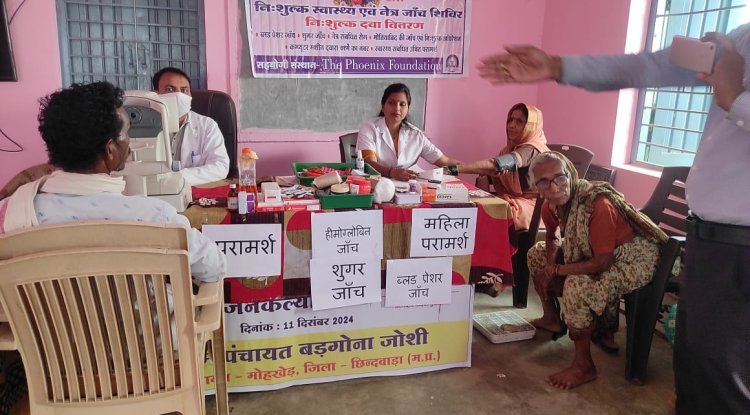
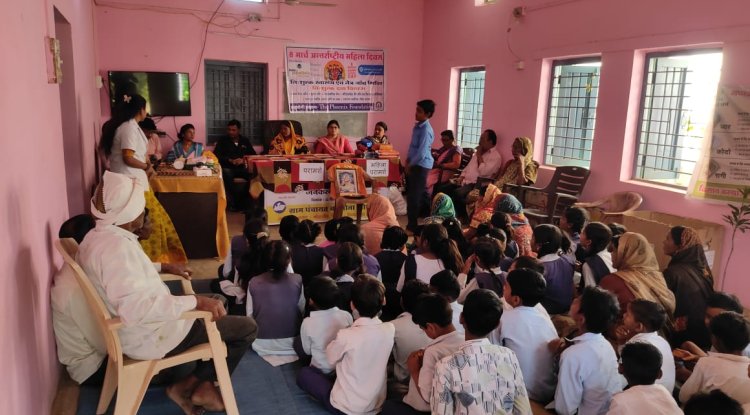
We explain your rights in simple language, help you prepare your complaint, and refer you to the right committee or lawyer. We also run POSH awareness sessions for communities and workplaces.
Speak to us confidentially at thephoenixfound.org.
Note : This blog gives general information and is not a substitute for advice from a qualified lawyer.
Donate Now
What's Your Reaction?