How to Get Free Legal Aid for Women in India: A Step-by-Step Guide
Cannot afford a lawyer? Learn how women can get free legal aid in India, from DLSA to NGO support, and how The Phoenix Foundation helps.
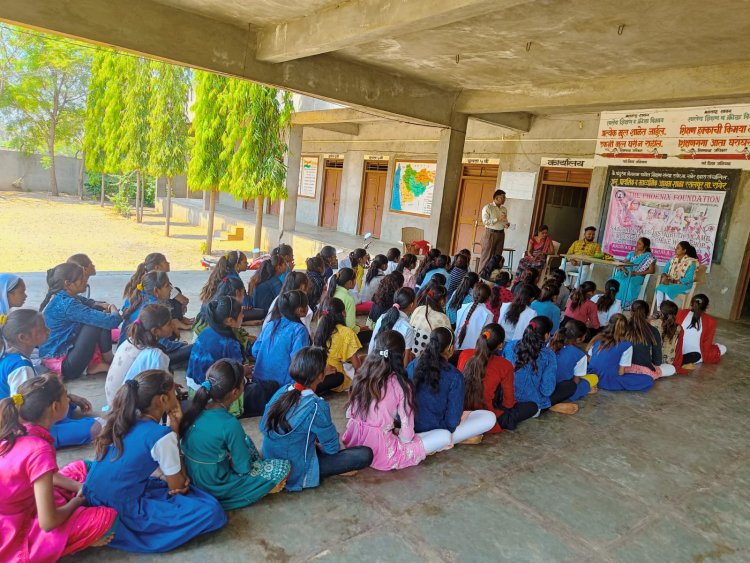
"I need a lawyer, but I cannot afford one." Many women stop there. But India's legal system provides free legal aid, and NGOs can help you navigate it.
Who can get free legal aid?
Under the Legal Services Authorities Act, women are among the groups entitled to free legal services, regardless of income. This includes legal advice, a lawyer for court cases and help with paperwork.
Where to get it
-
District Legal Services Authority (DLSA): present in every district, usually in the court complex
-
State Legal Services Authority and NALSA: NALSA's helpline is 15100
-
Legal aid clinics: often available at courts and community centres
-
NGOs: can guide you, explain your options and refer you to the right place
Step by step
-
Write down your problem with dates and key details.
-
Collect documents, such as marriage certificate, ID, medical records, messages or complaints.
-
Approach the DLSA or an NGO and request legal aid or guidance.
-
Get a lawyer assigned or a referral to one.
-
Attend counselling, where available, to understand your options.
-
Follow up on dates and documents so your case keeps moving.
Issues where legal aid helps
-
Domestic violence
-
Workplace harassment and POSH complaints
-
Maintenance, divorce and child custody
-
Property and inheritance
-
Cyber harassment
If you are in danger
Call 112 for emergencies or 181 for the Women Helpline. Safety comes first.
How The Phoenix Foundation helps
Our Women Legal Support Programme offers free legal guidance and counselling, connects you with qualified legal professionals, explains legal procedures and refers you to Legal Services Authorities and protection services. We listen, understand, guide, refer and follow up, with confidentiality at every step.
Speak to us at thephoenixfound.org, info@thephoenixfound.org or +91 90285 49740.
This blog gives general information and is not a substitute for advice from a qualified lawyer.
What's Your Reaction?