MMU Van vs. Traditional Health Camp | The Phoenix Foundation
MMU van or a traditional one-time health camp — which reaches rural India better? The Phoenix Foundation breaks down the difference in coverage, cost, and long-term impact.
MMU Van vs. Traditional Health Camp: Which Model Reaches Rural India Better?
Both models exist for the same reason — to bring healthcare to people who can't easily reach it themselves. But a one-time medical camp and an ongoing MMU van programme are built very differently, and the difference matters a great deal when it comes to actual health outcomes, not just the number of people seen on a given day.
The Traditional Medical Camp Model
A traditional health camp is usually a single-day event: a location is chosen, a medical camp poster goes up, and a team arrives for one day of consultations, basic screening, and sometimes medicine distribution. It's a valuable model for reaching a large number of people quickly, especially for immediate needs like a vaccination drive or emergency screening after a disaster or outbreak.
Strengths: Fast to organise, low logistical overhead, effective for urgent or one-time needs. Limitations: No built-in follow-up, no continuity of patient records, chronic conditions are diagnosed but rarely tracked afterward.
The MMU Van Model
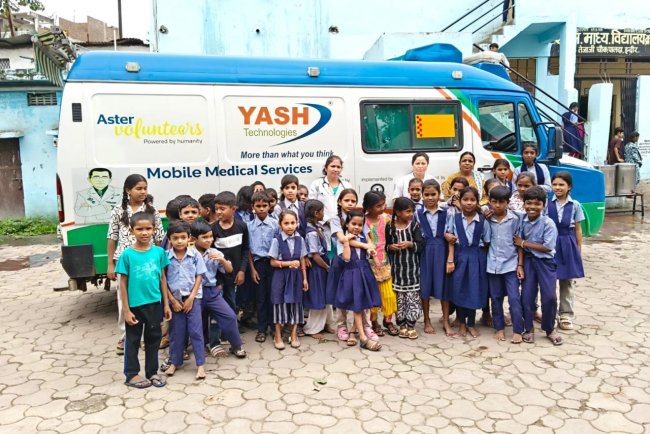
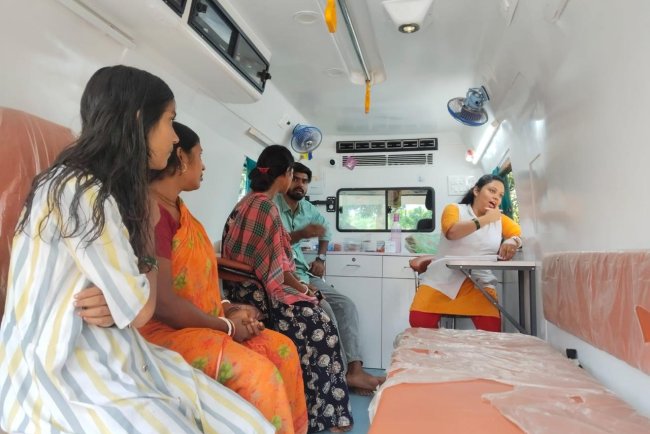
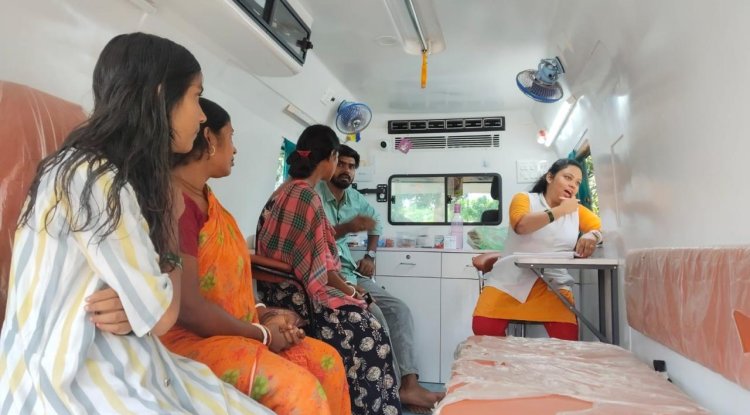
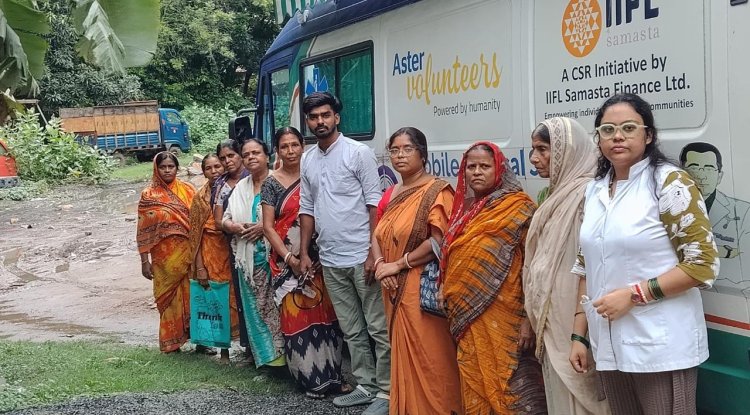
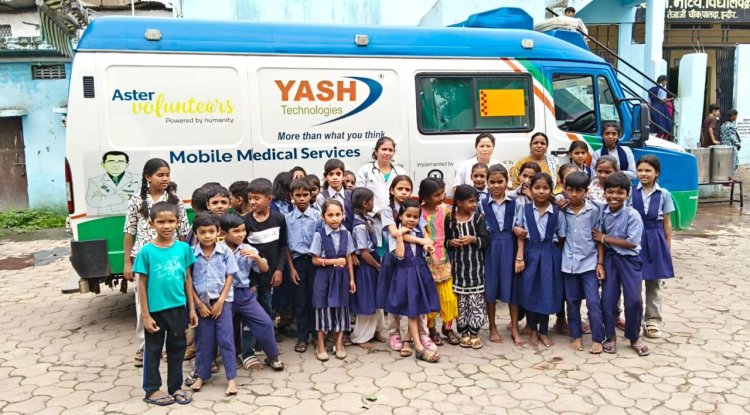
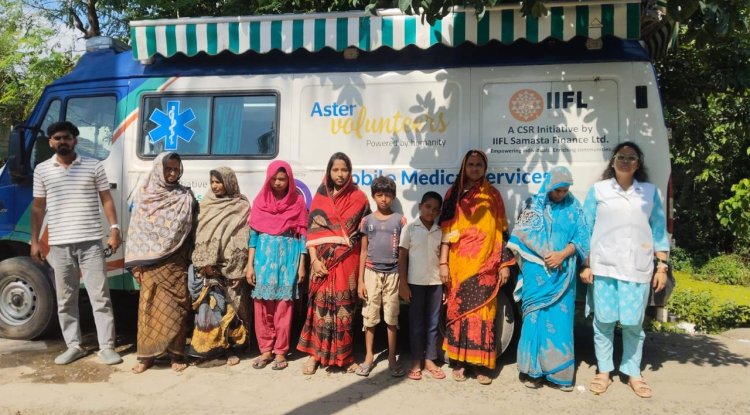
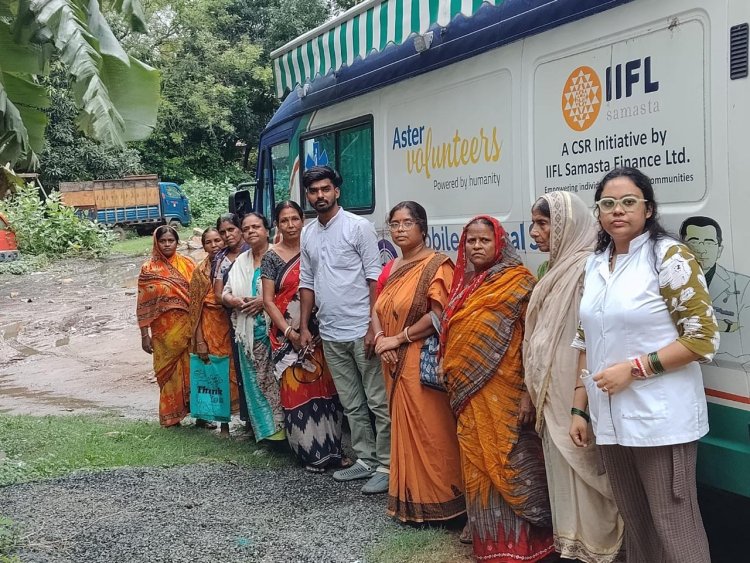
An MMU van, by contrast, is designed around repetition. The Phoenix Foundation's MMU vans follow a fixed schedule, returning to the same villages regularly, with every patient's data recorded digitally and carried forward from visit to visit.
Strengths: Continuity of care, chronic disease tracking (diabetes, hypertension), stronger community trust built over repeat visits, more accurate impact data over time. Limitations: Requires more sustained funding and logistical commitment than a single camp.
Which One Actually Improves Health Outcomes?
For acute, one-time needs — a vaccination push, a disaster-response screening — a traditional camp is often the right tool. But for the everyday reality of rural healthcare, where the bigger problem is undiagnosed chronic illness, poor maternal health monitoring, and lack of any regular medical contact at all, the MMU model consistently does more. A single blood pressure reading means little without a second one three months later to see if treatment is working — and that second reading is exactly what a recurring MMU route provides and a one-off camp cannot.
The Phoenix Foundation's Approach: Both, Used Correctly
In practice, we use both models depending on the need. Our free medical camps remain useful for high-turnout, single-day outreach, awareness drives, and reaching new communities for the first time. Our MMU vans handle the ongoing, harder work of long-term primary care and chronic disease management in the villages we serve regularly across West Bengal, Jharkhand, Rajasthan, and Madhya Pradesh.
Frequently Asked Questions
Is an MMU van better than a one-time medical camp? For chronic disease management and ongoing care, yes. For urgent, one-time outreach needs, a traditional camp can still be the right tool.
Can a village get both an MMU route and a one-time camp? Yes — The Phoenix Foundation often introduces a community through a camp before establishing a regular MMU route there.
Does an MMU van cost more to run than a camp? It requires more sustained funding since it operates on a recurring schedule, but it also delivers significantly more long-term value per rupee spent.
How do I know which model is right for my CSR project? It depends on your goals — reach out to us and we'll help design a mix of both based on your target region and objectives.
Talk to Us About the Right Model for Your Region
Whether you're deciding between a one-time camp and a recurring MMU route, or want to fund both, The Phoenix Foundation can help design the right approach. Contact us at +91 90285 49740 or info@thephoenixfound.org, or visit thephoenixfound.org.
What's Your Reaction?