Child Education NGOs in India: Programs, Impact & How to Help
Learn how child education NGOs in India support learning, what programs they run, and simple ways you can help a child stay in school.
Child Education NGOs in India: Programs, Impact and How You Can Help
Every child deserves the chance to learn. In India, that sentence is both a hope and a challenge. Free schooling exists, yet many children still fall behind, drop out, or never receive the kind of attention that helps them thrive.
Child education NGOs work to close this gap. Here's what they do, how to recognize good ones, and the many ways you can help.
Donate Now
What does a child education NGO do?
At the simplest level, it helps children get into school, stay in school and learn while they are there. In practice that can mean:
Direct teaching. Evening classes, weekend learning sessions and remedial support for children who have fallen behind.
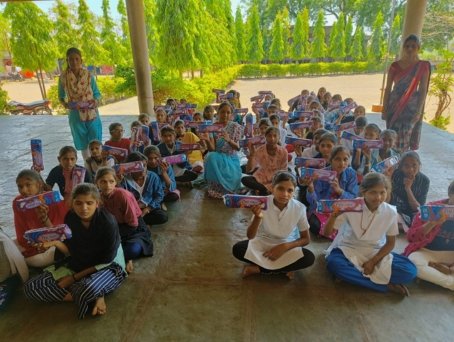
Learning materials. Books, notebooks, stationery, school bags and educational games.
Financial support. Help with school fees, uniforms, transport or exam costs.
Early childhood programs. Play-based learning for the youngest children, which gives them a strong start.
Life skills. Communication, confidence, teamwork and critical thinking.
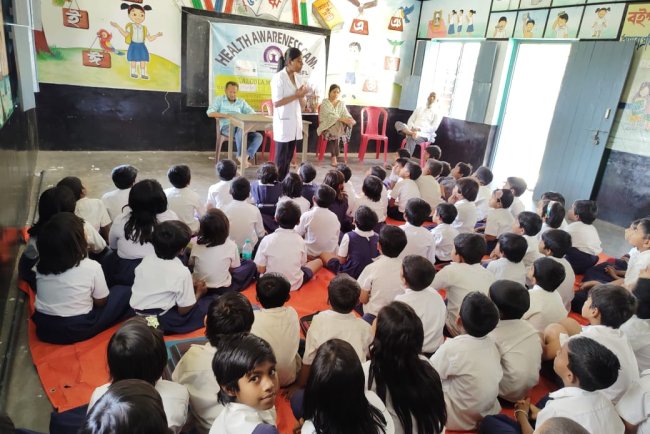
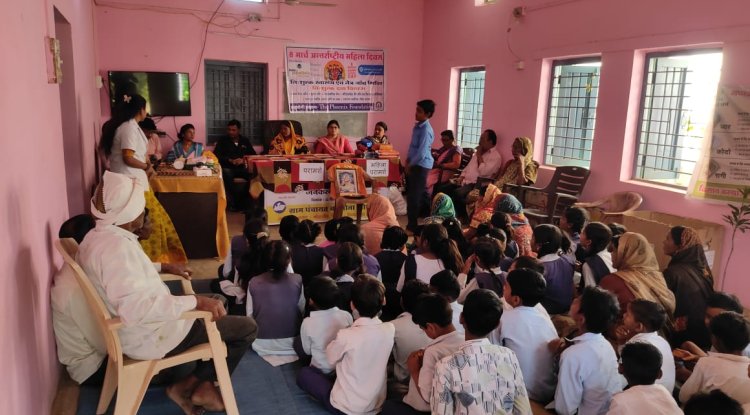
Mental health awareness. Children carry stress from home, from exams and from comparison with others. Schools and NGOs are starting to take this seriously. At The Phoenix Foundation, we run mental health awareness activities in schools because we believe emotional wellbeing and learning are connected.
Parent and community engagement. Meetings, home visits and awareness sessions help parents support learning.
Donate Now
Why this work matters
Education changes more than a child's grades. It affects:
-
Future income. More education generally means more employment options.
-
Health. Educated parents tend to make better health decisions for their families.
-
Girls' futures. Girls who stay in school are more likely to marry later and have more control over their lives.
-
Community. A generation of educated young people lifts a whole neighborhood.
What an effective program looks like
When you evaluate any child education program, look for the following:
-
A clear target group. For example, children aged 6-14 in a particular community.
-
A simple way to measure learning. Not just numbers enrolled.
-
Trained, supported volunteers or teachers.
-
A safe environment for children. Good NGOs have child protection policies.
-
Transparency. Public reports, registrations and accounts.
A day in a learning session
To make this concrete, here is what a typical learning session often looks like:
-
Children arrive after school and settle in small groups.
-
A volunteer starts with a short reading activity.
-
Older children help younger ones.
-
There's a break, then maths or English practice using games and everyday examples.
-
The session ends with a quick check of who understood what and a plan for the next day.
Nothing about it is dramatic. The impact comes from showing up regularly.
Donate Now
How you can help a child learn
Give. Donate to a trusted NGO. Even a small monthly donation allows a program to plan. You can support The Phoenix Foundation here.
Volunteer. Offer a few hours a week, in person or online.
Donate things. Books, stationery, uniforms and learning kits are always needed.
Partner. Companies can include education programs in their CSR plans. Learn more about CSR partnerships with NGOs in India.
Speak up. Tell others about the issue. Awareness leads to more support.
Questions to ask before you support any NGO
-
What age group do you work with?
-
How do you measure whether children are learning?
-
Do you have child safety guidelines?
-
Can I see your annual report?
-
How will my contribution be used?
A good NGO will welcome these questions.
Frequently asked questions
What is a child education NGO? It's a non-profit organization that helps children access, stay in, and benefit from education, through teaching, materials, scholarships or support services.
How can I sponsor a child's education? Many NGOs have sponsorship or "adopt a learner" programs. Ask the organization how funds are used and what reports you will receive.
Can I visit the program? Many NGOs welcome supporters for visits, though they have child safety rules, so contact them first.
How do I contact The Phoenix Foundation? Use our contact page or call +91 90285 49740.
Donate Now
What's Your Reaction?