How NGOs Bring Quality Schooling to Rural Students in India
Discover how NGOs help rural students in India with schools, learning centres, scholarships and digital access, and how you can support them.

How NGOs Are Bringing Quality Schooling to Rural Students in India
Around the country, millions of children live in villages where getting to school is itself an achievement. They may walk long distances, share a single classroom across several grades, or learn from a teacher who is responsible for far too many students.
NGOs help in a variety of ways. Some run their own schools, but most work alongside the existing system. Here is how.
Donate Now
The real challenges facing rural students
Distance and transport. A school may be several kilometers away, and a long walk is a safety concern, especially for girls.
Not enough teachers. In some schools one teacher handles multiple classes.
Limited learning materials. Few books, no library, and sometimes no proper classroom furniture.
Poverty and early work. Children are often needed in the fields or at home during harvest.
Language barriers. A child's home dialect may differ from the language used in the classroom.
Little digital access. After the pandemic, the gap between children with a smartphone and those without became very visible.
Donate Now
What NGOs do about it
1. Learning centres and community classes
Many NGOs set up small centres in villages where children get extra help after school. These centres focus on foundational reading and maths.
2. Bridge programs for dropouts
A child who has missed a year or two can't simply return to the same grade. Bridge courses help them catch up quickly and rejoin school at the right level.
3. Free learning resources
Notebooks, books, stationery and school bags may seem small. For a family with little income, they are often the difference between attending and dropping out.
4. Scholarships and sponsorship
Financial support for school fees, uniforms and transport keeps children, especially girls, in school.
5. Teacher training and support
Working with teachers to adopt activity-based learning often helps more children than directly teaching a few.
6. Digital literacy
Basic computer skills open up job opportunities later. Many programs now combine school subjects with digital learning.
7. Health and wellbeing
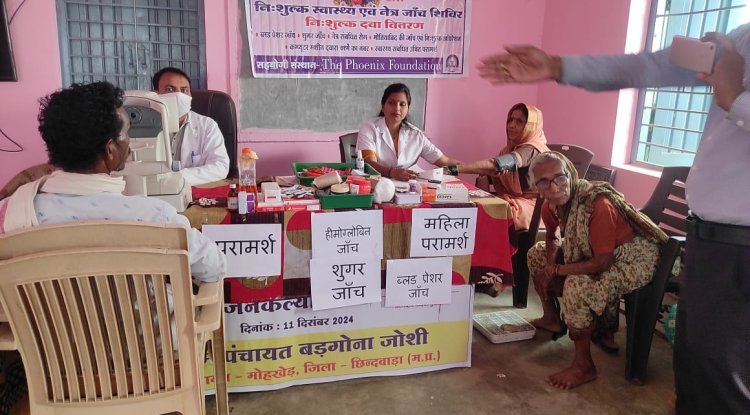
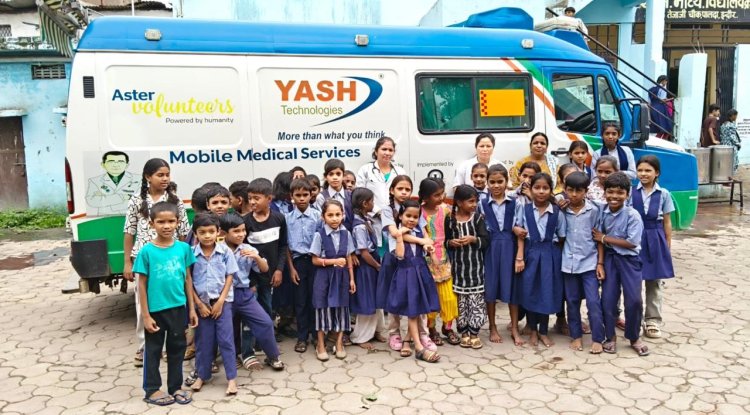
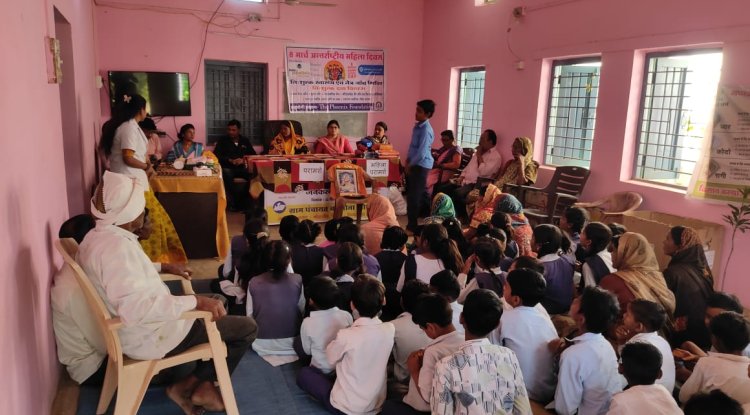
A hungry or unwell child can't learn. Health check-ups and mental health awareness are part of good education work. The Phoenix Foundation includes mental health awareness in schools alongside its free learning support. To see the full range, visit our education NGO in India page.
What works best
Across the sector, a few approaches tend to be effective:
-
Start with the basics. Strong reading and maths in the early grades make everything else easier.
-
Involve parents. When families understand why school matters, attendance improves.
-
Keep it local. Local volunteers and teachers understand the community better.
-
Track progress. Simple tests show whether children are really learning.
-
Plan for the long term. One-off donations help, but ongoing support builds lasting change.
From school to livelihoods
Education doesn't end at the school gate. For older students, NGOs increasingly connect classroom learning to employable skills such as computer training, spoken English, tailoring or vocational courses. Our skill development NGO in India work focuses on this step.
How you can help
-
Donate to a registered NGO with a clear rural education program
-
Volunteer remotely by teaching English, creating worksheets or mentoring older students
-
Collect books and stationery and donate them through an NGO
-
Share stories of rural schools that need support
-
Partner through your company's CSR program
Frequently asked questions
Do NGOs run their own schools? Some do. Many instead partner with government schools or run supplementary learning centres.
Is education free in India? The Right to Education Act guarantees free and compulsory education for children aged 6 to 14, but families may still face costs for books, uniforms and transport.
How can I support a rural child's education? You can donate to a verified NGO, sponsor a child's study materials, volunteer online, or help organize a book drive.
What is the biggest barrier for rural children? It varies by region, but poverty, long distances, and the quality of teaching are the most common.
Donate Now
What's Your Reaction?