Daughters Have Equal Rights: Property and Inheritance Law Every Woman Should Know
Daughters, wives and widows have strong property rights in India. Learn about inheritance, streedhan and the right to a shared home.

"Property goes to the sons." Many families still believe this, and many women quietly accept it. But the law says otherwise. Knowing your property rights is one of the strongest forms of security you can have.
Daughters and ancestral property
Under the Hindu Succession (Amendment) Act, 2005, a daughter has the same rights as a son in joint Hindu family property. She is a coparcener by birth, with equal share, equal rights and equal responsibilities. In Vineeta Sharma v. Rakesh Sharma (2020), the Supreme Court confirmed that this right applies even if the father died before 2005. Marriage does not take it away.
Donate Now
Self-acquired property and wills
A person can leave self-acquired property to anyone through a valid will. If there is no will, Hindu law divides it among legal heirs, and a daughter is an equal heir with her brothers and her mother.
Wives, widows and the marital home
-
Right to residence: under the Domestic Violence Act, a woman cannot be thrown out of her shared household, even if she does not own it.
-
Widow's share: a widow inherits an equal share with her children in her husband's estate when there is no will.
-
Streedhan: gifts, jewellery and money given to you before, during or after marriage are your absolute property. In-laws or husband cannot hold or sell them against your wishes, and you can recover them through a court.
-
Maintenance from the estate: dependent widows have a right to be supported.
Other religions
Inheritance rules differ for Muslim, Christian, Parsi and other communities, based on personal law and the Indian Succession Act. The details change, so check your own situation before you act.
Donate Now
Practical steps to protect your rights
-
Know what exists: ask for copies of property papers, wills and bank records.
-
Get names on documents: where you contribute money, make sure your name appears on the sale deed or loan papers.
-
Keep a list of streedhan: photos and receipts help.
-
Be careful with "relinquishment" papers: do not sign away your share without legal advice, even under family pressure.
-
Register your own will: this prevents later disputes.
-
Get help early: a delay can make disputes harder, though the law lets you claim your share.
Common questions
Can my brother stop me from claiming my share?
No. If the law gives you a share, he cannot lawfully refuse it, though you may need a court order to enforce it.
Does marriage end my right to my parents' property?
For ancestral property under Hindu law, no.
Do I need a lawyer?
For partition and disputes, yes. Free legal aid is available through the DLSA.
How The Phoenix Foundation can help
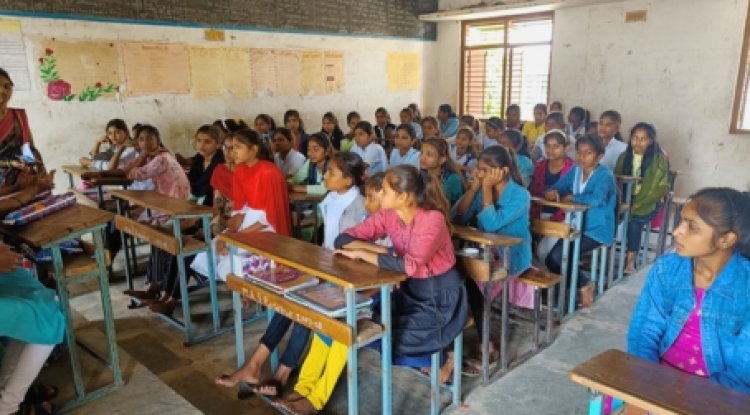
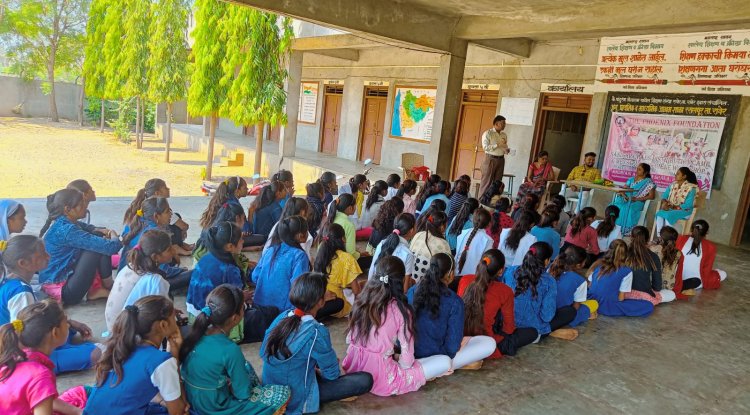
We raise awareness about property and inheritance rights, explain procedures in simple terms, and connect women with lawyers and Legal Services Authorities when they need to take action.
Learn your rights with us at thephoenixfound.org.
This blog gives general information and is not a substitute for advice from a qualified lawyer.
Donate Now
What's Your Reaction?